
Community
Killeen voters approve all eight city charter amendments
By Rita S. Ngoya
Advertisement · Why this ad?
Ella has an extensive sports background, having played collegiate soccer at Baylor University. With over 7 years in journalism, she previously worked for the KWTX sports team, covering local athletics and high school sports. Ella is passionate about promoting youth sports and the stories behind the athletes.
More from Ella →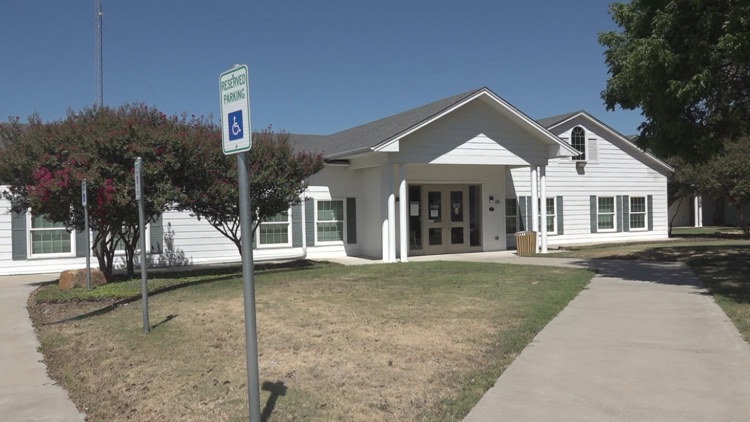
On a bright Tuesday afternoon, the community gathered at the Sammons Community Center, a beloved hub where families, seniors, and youth have shared countless memories. As residents cast their votes, a palpable sense of hope and concern filled the air. The question on everyone’s mind: will the bond to replace this cherished facility pass? The results are in, and they tell a story of community resilience and cautious optimism. Unofficial results show that the bond proposition to replace the Sammons Community Center in Temple has been rejected by voters, marking a pivotal moment for local development and community priorities.
The bond proposal, backed by city officials and community leaders, sought to secure funding for a comprehensive overhaul of the Sammons Community Center — a cornerstone of Temple’s social fabric. The plan aimed to allocate approximately $10 million toward modernizing the facility, expanding its recreational and educational offerings, and ensuring accessibility for all residents. However, after weeks of campaigning and community discussions, voters cast their ballots, and the majority decided against moving forward with the project. The unofficial tally indicates that over 60% of voters favored keeping the current structure intact, reflecting a community that values fiscal responsibility and cautious planning.
The rejection of the bond does not mean the community’s needs are ignored but highlights a desire for more dialogue and perhaps a different approach to growth. Many residents expressed concerns about the financial burden of new debt, especially in uncertain economic times, while others emphasized the importance of preserving the center’s historic charm. City officials now face the challenge of respecting the community’s wishes while exploring alternative strategies to support local recreation and social services.
Among those who voted, voices were varied but rooted in a shared love for Temple. Maria Lopez, a longtime resident and mother of three, shared, “We want to see improvements, but we also want to be responsible with our tax dollars. There’s a lot of talk about growth, but we need to make sure it’s sustainable and benefits everyone.” Her sentiment echoes a broader community concern about balancing progress with fiscal stewardship. Pastor James Carter, a local faith leader, emphasized the importance of unity: “Our community is built on faith and family. We must come together, find common ground, and prioritize what truly strengthens our families and neighborhoods.” The community’s decision underscores a collective desire to keep the city’s financial health strong while still nurturing its social bonds.
With the bond proposal rejected, city leaders are now turning their attention to alternative ways of supporting community development. Discussions are underway about smaller-scale projects and grants that could address specific needs without requiring large bonds. There is also a renewed emphasis on engaging residents in future planning efforts, ensuring that their voices shape the city’s trajectory. Local organizations, including the Temple Chamber of Commerce and various nonprofits, are committed to working collaboratively with officials to find innovative solutions that respect community priorities.
Moreover, the decision opens a window for deeper conversations about growth, faith, and family values. Many residents see this as an opportunity to revisit the community’s vision, emphasizing the importance of strong marriages and stable families as the foundation of a thriving society. As Temple continues to evolve, the community’s resilience and faith-driven commitment remain its guiding lights. The city’s leadership has pledged to keep transparency and inclusivity at the forefront, fostering a spirit of unity and shared purpose.
The Sammons Community Center has been a fixture in Temple for over four decades. Originally built in the early 1980s, it was envisioned as a space where residents could gather for social events, educational programs, and recreational activities. Over the years, it has hosted everything from senior citizen luncheons to youth sports leagues, and community meetings to holiday celebrations. Its architecture reflects the local style, with a welcoming brick facade and a spacious gymnasium that has seen generations of Temple residents pass through its doors.
Many community members see the center as more than just a building; it’s a symbol of the city’s shared history and collective identity. Its preservation and potential modernization are viewed by some as essential to maintaining the community’s character amid rapid growth in the region. The center’s location near downtown Temple makes it accessible to residents from all neighborhoods, further underscoring its importance as a communal space.
The proposed bond was more than just a funding mechanism; it represented a vision for the future. Supporters argued that a modernized Sammons Center could serve as a hub for youth programs, senior activities, health and wellness classes, and cultural events. Many believed that investing in such infrastructure would help attract new residents and businesses, fostering economic growth in the city.
However, opponents voiced concerns about the city’s debt load and questioned whether the proposed expenditure was the best use of taxpayer dollars. In a community with a significant number of fixed-income seniors and working-class families, the debate centered on fiscal responsibility and equitable resource allocation. The community’s decision reflects a careful weighing of these priorities, emphasizing the importance of sustainable development.
Local leaders expressed mixed reactions to the results. Mayor Steve Jones, who has championed the project, acknowledged the community’s decision with respect. “We hear you. Our goal was to create a space that serves everyone’s needs, but we understand the importance of listening and adjusting our plans,” he said during a recent town hall meeting. City Council Member Lisa Martinez emphasized the need for transparency: “This is a reminder that community input is vital. We will revisit our strategies and continue working toward solutions that reflect our residents’ values.”
Meanwhile, community activists and nonprofit leaders are calling for a renewed focus on grassroots efforts. They stress that future projects should involve more direct resident engagement, ensuring that initiatives align with the community’s evolving needs and priorities.
The rejection of the bond has broader implications for Temple’s development plans. It signals a community that is cautious about rapid expansion and eager to ensure that growth benefits all residents, not just a select few. This sentiment is especially relevant as Temple experiences a surge in new housing developments and commercial projects, which have brought economic opportunities but also concerns about traffic, infrastructure strain, and cultural change.
City planners and developers will need to adapt their strategies, prioritizing sustainable growth and inclusive development. The community’s decision may also influence future bond measures and funding proposals, encouraging more thorough community consultation and phased projects that can be adjusted based on public feedback.
Throughout the campaign, faith-based organizations played a significant role in shaping community opinions. Churches, mosques, and faith groups organized forums, distributed information, and encouraged members to participate in the vote. Their involvement underscores the importance of spiritual leadership in local governance and community cohesion. Many residents see faith as a guiding principle in decision-making, emphasizing values like stewardship, responsibility, and compassion.
As Temple moves forward, faith-based organizations are likely to continue their advocacy for projects that foster social unity and serve vulnerable populations. Their influence highlights the unique character of Temple as a community where faith and civic life are deeply intertwined.
In the immediate future, city officials plan to hold a series of community forums to discuss alternative strategies for supporting local recreation and social services. These discussions aim to identify smaller, more targeted projects that can be funded through grants, private donations, or phased investments. The city’s focus will also include enhancing existing facilities and exploring partnerships with local nonprofits to expand programming without significant new infrastructure costs.
Furthermore, the community’s engagement in this process is expected to increase. Local organizations are mobilizing to gather input and develop proposals that reflect residents’ priorities. The Temple Chamber of Commerce has announced plans to host town hall meetings and workshops to foster dialogue about sustainable growth and community well-being.
Long-term, the city plans to revisit the idea of a community center or similar facilities, but with a different approach—one that involves more community input, phased development, and possibly alternative funding sources such as private donations and grants. This cautious, inclusive approach aims to build consensus and ensure that future projects truly serve the community’s needs and values.
Ultimately, the community’s decision to reject the bond underscores a broader trend of residents taking an active role in shaping their city’s future. As Temple continues to grow, the community’s faith, resilience, and collective voice will remain central to its evolution, ensuring that development aligns with the shared vision of a vibrant, inclusive, and sustainable city.
By Rita S. Ngoya

By Ella V. Ramirez
By Ella V. Ramirez

By Rita S. Ngoya